 Owned
Owned

Tulip Tree vs European Larch
Liriodendron tulipifera
Larix decidua
NOT AVAILABLE THIS SEASON - MIGHT RETURN
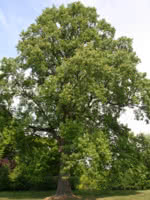
Tulip Tree is the perfect shade tree for wide open spaces. It has a shallow and extensive root system, so ensure you give it space to grow. The attractive and showy, yellow-orange, tulip shaped flowers are where this tree gets its name.
Tulip Tree is somewhat rare in Canada but highly sought after as it is difficult to grow. Does best in a moist, well-drained soil.
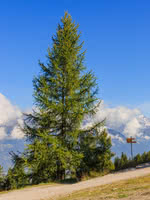
The European Larch is a large deciduous conifer that, like most larches, drops its needles before winter. Known for the soft green foliage that turns a stunning golden yellow in the fall. While young, it has a pyramidal shape with horizontal branching and drooping branches, but becomes more irregular as it matures.
The European Larch is an important timber tree in Europe.