 Owned
Owned

Cherry Prinsepia vs American Black Currant
Prinsepia sinensis
Ribes americanum
CUSTOM GROW
CUSTOM GROW
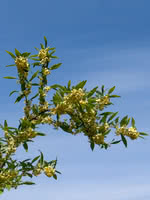
Cherry Prinsepia is an attractive, cold hardy shrub with thorny stems and a rounded shape.
Primarily used for its shrub and hedge characteristics, Cherry Prinsepia is also grown for its ornamental fruit. Tart in flavor, the red berries are edible and enjoyed by birds and humans alike.
If deer are an issue on your property, try planting Cherry Prinsepia in a tight row to create a dense hedge to deter them.
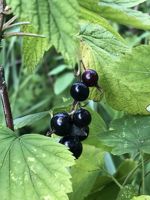
American Black Currant is a native deciduous shrub known for its clusters of small black berries that ripen in mid-to-late summer. The berries are edible and have long been used for fresh eating, preserves, and baking. They provide food for birds and mammals, and their fragrant spring flowers attract bees and other pollinators.
American Black Currant’s foliage serves as a host plant for butterfly species such as the Green Comma and Gray Comma, and its dense branching offers cover for wildlife. The shrub has traditionally been planted in shelterbelts, riparian buffers, and restoration projects.