 Owned
Owned

Witch Hazel vs Wild Privet
Hamamelis virginiana
Ligustrum vulgare
NOT AVAILABLE THIS SEASON - MIGHT RETURN
NOT AVAILABLE THIS SEASON - MIGHT RETURN
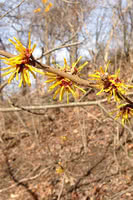
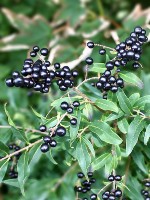
Witch Hazel is a deciduous shrub, or small tree, with a short trunk, bearing numerous spreading, crooked branches.
The seeds grow in a long, wooden pod with two to four seeds per pod. Upon ripening, the pods burst, firing the seeds up to 30km an hour.
The leaf and bark extract of Witch Hazel has been used as a remedy to common ailments such as inflammation, bruises and much more for many centuries.
Wild Privet is a fast growing ornamental shrub that is well suited for forming hedges and privacy screens. It will retain its leaves in warmer climates but drops them in colder areas. They have small white flowers, though the smell is often considered unpleasant. While the berries are inedible, they are a good food source for many bird species.
It is recommended to prune Wild Privet immediately after flowering, as it can readily self seed. It is deer and rabbit tolerant. It can grow in dry areas, on slopes, and withstand the wind making it well suited for many growing conditions.
Witch Hazel Quick Facts
Wild Privet Quick Facts
Toxicity: If ingested, all parts of this plant will cause severe discomfort. Toxic to dogs, cats, and horses