 Owned
Owned

Mon-Fri 9am - 5pm Mountain time
Cart reopens in October
Subscribe to our email list
to stay updated
Witch Hazel vs Mountain Huckleberry
Hamamelis virginiana
Vaccinium membranaceum
NOT AVAILABLE THIS SEASON - MIGHT RETURN
NOT AVAILABLE THIS SEASON - MIGHT RETURN
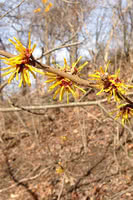
Witch Hazel is a deciduous shrub, or small tree, with a short trunk, bearing numerous spreading, crooked branches.
The seeds grow in a long, wooden pod with two to four seeds per pod. Upon ripening, the pods burst, firing the seeds up to 30km an hour.
The leaf and bark extract of Witch Hazel has been used as a remedy to common ailments such as inflammation, bruises and much more for many centuries.
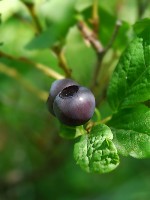
Mountain Huckleberry is a small shrub known for its tart to sweet berries. The berries range from purple-black to red-black, and can be eaten fresh or used in jams and syrups. It is a plant native to Alberta and the berries are frequently enjoyed by both people and wildlife.
In traditional Indigenous fire management practices, berry patches were burned after harvest. This would reduce the invasion of other plants allowing the Mountain Huckleberry to thrive. Its foliage has low flammability and can survive low severity fires, and even if destroyed they regrow from the roots.
Note: Mountain Huckleberry requires specific soil conditions. They need moist, well-drained, acidic soil with a pH around 5.5.