 Owned
Owned

Mon-Fri 9am - 5pm Mountain time
Cart reopens in October
Subscribe to our email list
to stay updated
Black Elderberry vs Heritage Raspberry
Sambucus canadensis
Rubus x Heritage
COMING SOON
(new stock expected: fall of 2026)
NOT AVAILABLE THIS SEASON - MIGHT RETURN
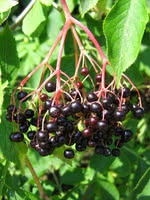
Black Elderberry is a deciduous shrub native to eastern North America. You can plant this shrub in moist areas and it will help stabilize your soil. You can also use it on rural properties anywhere you'd use a lilac.
Black Elderberries are considered to be partially self-pollinating. So while they will still produce some berries without cross-pollination, planting with another variety will increase yields. Consider planting with Ranch Elderberry or Bob Gordon Elderberry.
Warning: the seeds, stems, leaves, roots, and uncooked berries of the Black Elderberry are poisonous to humans when eaten in quantity. You should cook the berries to make them safe for human consumption.
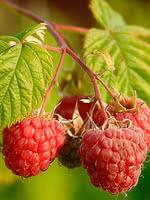
The Heritage Raspberry is a deciduous thorny shrub that produces two crops in the year: a moderate one in early summer followed by a heavier harvest in the fall. This plant blooms with white, rose-like flowers and fruits with extra-sweet, dark red berries that are great for fresh eating, canning or freezing.
The Heritage Raspberry is a primocane-fruiting variety, meaning that it produces fruit on first years' growth. Prune stalks down each winter or early spring to get higher fruit yields and easier harvesting.
Black Elderberry Quick Facts
Heritage Raspberry Quick Facts
Toxicity: leaves, stems, and uncooked berries are poisonous to humans