 Owned
Owned

Black Elderberry vs Elliott Blueberry
Vaccinium corymbosum Elliott
Sambucus canadensis
NOT AVAILABLE THIS SEASON - MIGHT RETURN
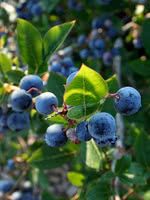
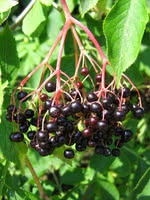
Elliott Blueberry is a very high yielding, commercial highbush blueberry variety. If you're lucky enough to live in a suitable climate zone, Elliott Blueberry will serve you well. Its medium-size berries mature late in the summer and have a mild flavor. The berries are firm and store well.
While this variety is self-pollinating, we recommend pairing Elliott Blueberry with Blue Crop Blueberry to increase the berry production of both varieties.
Note: Blueberries require very specific soil conditions. They need well-drained soil with a pH between 4.5 and 5.0. If the starting pH of your soil is between 5.1 and 6.2 you can lower it by adding sulphur. We recommend against planting blueberries in soil with a starting pH greater than 6.2. Please do your own research before buying any blueberry plants.
Black Elderberry is a deciduous shrub native to eastern North America. You can plant this shrub in moist areas and it will help stabilize your soil. You can also use it on rural properties anywhere you'd use a lilac.
Black Elderberries are considered to be partially self-pollinating. So while they will still produce some berries without cross-pollination, planting with another variety will increase yields. Consider planting with Ranch Elderberry or Bob Gordon Elderberry.
Warning: the seeds, stems, leaves, roots, and uncooked berries of the Black Elderberry are poisonous to humans when eaten in quantity. You should cook the berries to make them safe for human consumption.
Elliott Blueberry Quick Facts
Black Elderberry Quick Facts
Toxicity: leaves, stems, and uncooked berries are poisonous to humans