 Owned
Owned

Pygmy Caragana vs Garrington Chokecherry
Caragana pygmaea
Prunus virginiana Garrington
CUSTOM GROW
NOT AVAILABLE THIS SEASON - MIGHT RETURN
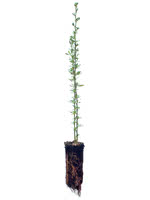

Pygmy Caragana is a shrub that is related to Common Caragana and has a compact size that is suitable for yards with limited space. Its size is perfect for landscaping and decorative hedges, and requires little maintenance. This nitrogen fixer has fine-textured foliage and small yellow flowers. Much like Common Caragana, it is hardy and drought tolerant.
Popular as a low maintenance commercial landscaping shrub and for hedging. This species does have tiny spines that might poke you a bit. It has a nice appealing texture when mature.
Garrington Chokecherry is a self-fertile and rare chokecherry that is commonly used for commercial orchards. This highly prized selection is known for its heavy yields of large, reddish-black fruit that are easily harvested with an over row harvester.
Garrington Chokecherry is also commonly used for hedges and edible landscaping. This shrubs' chokecherries are commonly used in baking, preserves, wine, and jams or jellies.