 Owned
Owned

Mon-Fri 9am - 5pm Mountain time
Cart reopens in October
Subscribe to our email list
to stay updated
Manchurian Apricot vs American Bladdernut
Prunus armeniaca var. mandshurica
Staphylea trifolia
NOT AVAILABLE THIS SEASON - MIGHT RETURN
NOT AVAILABLE THIS SEASON - MIGHT RETURN
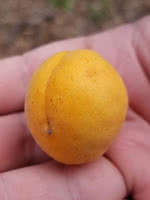
Manchurian Apricot is a winter-hardy relative of the native plum. This tree can stand some drought, but will not handle standing water or saturated moist soils. It can be used in shelterbelts, hedges, or as an ornamental. Manchurian Apricot will also attract songbirds, rabbits, and other rodents if left uncontrolled.
This tree will produce fruit once it reaches maturity at between two and five years old. Other famous cultivars of Manchurian Apricot include Scout Apricot, Moongold, and many more.
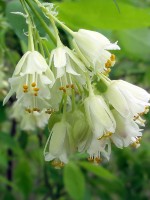
American Bladdernut is a fast-growing, ornamental shrub native to eastern North America. It can be grown as a large shrub or trained as a small tree. The small, drooping, white flowers are bell-shaped and grow in clusters. They appear in mid to late spring, attracting various pollinators. Well suited as an understory plant as it prefers shady and partial sun location with moist soils.
The blossoms mature into papery seed capsules and have been described as miniature Japanese lanterns. They are commonly used in dried flower arrangements. The seeds found within the pods are edible, and have a taste similar to pistachios. They can be eaten raw, used in baking or made into a sweet cooking oil.
Care should be taken when planting American Bladdernut, as it can spread quickly. It is prone to suckering and will self-seed. Plant the right tree in the right place.