 Owned
Owned

Tall Manna Grass vs Knotted Rush
Juncus nodosus
Glyceria grandis
NOT AVAILABLE THIS SEASON - MIGHT RETURN
CUSTOM GROW
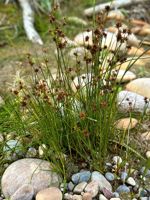
Knotted Rush is a native perennial wetland plant found growing in marshes, swamps, wet meadows, and along shorelines. It spreads by underground rhizomes to form colonies, which can also help stabilize soils and shorelines.
Its upright, slender stems and small clusters of greenish-brown seed heads add structure to wetland plant communities. Knotted Rush is well-suited to wetland conservation, rain gardens, naturalization, and restoration projects. As a cool-season grower, it grows actively during spring and fall, when temperatures are cooler.
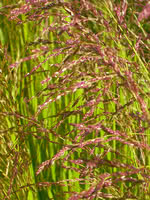
Manna Grass and other waterside plants are an excellent way to prevent erosion and provide habitat and forage for animals. The difference is that Manna Grass looks better doing it! With distinctive purple grains at the top of its stalks, Manna Grass adds a splash of color to the waterside that most other aquatics can't offer.
Manna Grass is good for returning disturbed sites to nature and provides nourishment to many animals, except for cattle who find it toxic.
Knotted Rush Quick Facts
Tall Manna Grass Quick Facts
Toxicity: toxic to cattle