 Owned
Owned

Mon-Fri 9am - 5pm Mountain time
Cart reopens in October
Subscribe to our email list
to stay updated
Black Locust vs American Hazelnut/Filbert
Robinia pseudoacacia
Corylus americana
NOT AVAILABLE THIS SEASON - MIGHT RETURN
NOT AVAILABLE THIS SEASON - MIGHT RETURN
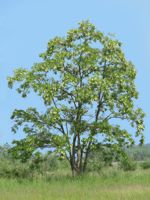
Black Locust is an attractive tree. Its distinctive leaves are made of about a dozen bright green leaflets. It also notable for its fragrant white flowers, which smell of citrus.
Black Locust can grow in many situations, but prefers dry areas with lots of sun. It is robust and is an excellent choice for establishing shade in dry, open areas.
Important note: Much of the Black Locust is toxic to humans and livestock, including seeds, bark, and leaves.
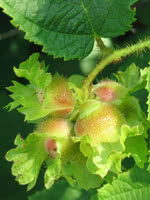
American Hazelnut is a cold hardy, disease resistant, and long-lived nut tree. It is a great choice for a shrub border for wide, open spaces where it will be allowed to spread. Typically used in naturalization projects for its spreading nature, American Hazelnut is ideal for our zone 4 customers.
If you're a zone 3 prairie customer, don't worry! American Hazelnut can still thrive but needs additional care and protection from our harsh prairie climate.
The edible nuts mature from September to October and are usually roasted or eaten fresh. Make sure you take time to notice American Hazelnut's variable and beautiful fall color that ranges from orange, rose, purplish-red, yellow, and green.
Note: You want more than one hazelnut to improve yields.