 Owned
Owned

Western Chokecherry vs Debbies Gold Apricot
Prunus virginiana var. demissa
Prunus × Debbies Gold
COMING SOON
(new stock expected: later this season)
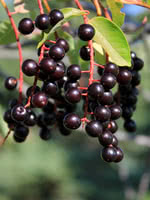
Western Chokecherry is a shrub or small tree commonly used for farmstead and field windbreaks.
It produces white flowers in the spring and edible dark purple fruit that matures between September and October. Its cherries are great for making for making jams, jellies or wine, but are not very palatable for raw eating.
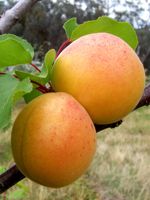
Debbie’s Gold Apricot is a cold-hardy variety known for its firm, sweet, and aromatic fruit. The white to pink flowers bloom several days later than other varieties, making them less susceptible to spring frosts. Their orange-yellow, freestone apricots ripen from late July to mid August and are well-suited for fresh eating, baking, canning, and preserves.
Debbie’s Gold Apricot is generally considered to be partially self-pollinating, but planting with another variety for cross-pollination can increase yields.
Note: While the bloom time is later than other varieties, the flowers are still vulnerable to spring frosts, which can reduce or eliminate the fruit crop.
Western Chokecherry Quick Facts
Debbies Gold Apricot Quick Facts
Toxicity: toxic to horses, cattle, etc.)