 Owned

Red Elderberry vs Mountain Huckleberry
Vaccinium membranaceum
Sambucus racemosa
NOT AVAILABLE THIS SEASON - MIGHT RETURN
NOT AVAILABLE THIS SEASON - MIGHT RETURN
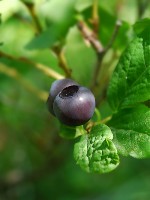
Mountain Huckleberry is a small shrub known for its tart to sweet berries. The berries range from purple-black to red-black, and can be eaten fresh or used in jams and syrups. It is a plant native to Alberta and the berries are frequently enjoyed by both people and wildlife.
In traditional Indigenous fire management practices, berry patches were burned after harvest. This would reduce the invasion of other plants allowing the Mountain Huckleberry to thrive. Its foliage has low flammability and can survive low severity fires, and even if destroyed they regrow from the roots.
Note: Mountain Huckleberry requires specific soil conditions. They need moist, well-drained, acidic soil with a pH around 5.5.
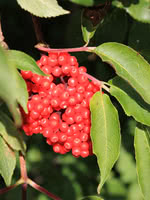
Red Elderberry is an attractive, medium-sized deciduous shrub.
It produces clusters of white flowers in the spring and bright red berry-like drupes, which provide beautiful contrast against its coarse, textured green foliage.
Red Elder can be pruned as a small single or multi-stemmed tree.
Mountain Huckleberry Quick Facts
Red Elderberry Quick Facts
Toxicity: toxic to humans