 Owned
Owned

Mon-Fri 9am - 5pm Mountain time
Cart reopens in October
Subscribe to our email list
to stay updated
Ninebark vs Frank Hazelnut
Physocarpus opulifolius
Corylus avellana Frank
CUSTOM GROW
NOT AVAILABLE THIS SEASON - MIGHT RETURN
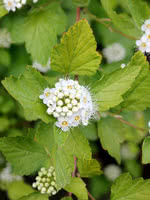

Ninebark is a small, multi-stemmed shrub, that is used to add texture or colour to any yard.
It features flaky, cinnamon-brown bark, attractive white flowers, and long, maple-like leaves.
The Frank Hazelnut produces nuts that are medium size and ripen mid August. This is one of the best eating hazelnuts for cold climates. It is a medium size deciduous tree from Saskatchewan, Canada. It is a productive tree that has been tested as both a pollinizer and a main crop cultivar for colder climates. The Frank Hazelnut is one of the cold hardiest hazelnut trees on the market and known to be resistant to eastern filbert blight.
Not all hazelnuts pollinate with each other so it is important to pick the correct pollination pairs. Two compatible varieties of hazelnut are required to produce nuts. Nuts will only be produced once maturity is reached, around 2-3 years.