 Owned
Owned

Mon-Fri 9am - 5pm Mountain time
Cart reopens in October
Subscribe to our email list
to stay updated
Ninebark vs Alpine Currant
Physocarpus opulifolius
Ribes alpinum
CUSTOM GROW
NOT AVAILABLE THIS SEASON - MIGHT RETURN
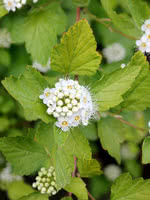
Ninebark is a small, multi-stemmed shrub, that is used to add texture or colour to any yard.
It features flaky, cinnamon-brown bark, attractive white flowers, and long, maple-like leaves.
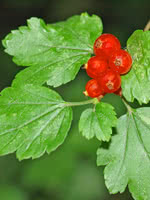
Alpine Currant is a great shrub to plant along sidewalks, near building or at your property boundary as a hedge or accent species. It is widely used by commercial landscapers in parking lots and near buildings because of its hardiness, attractiveness, and pollution tolerance.
While Alpine Currant produces edible berries, they are not palatable.