 Owned
Owned
Mon-Fri 9am - 5pm Mountain time
Cart reopens in October
Subscribe to our email list
to stay updated
Ginkgo Biloba vs Robert Chokecherry
Ginkgo biloba
Prunus virginiana Robert
NOT AVAILABLE THIS SEASON - MIGHT RETURN
NOT AVAILABLE THIS SEASON - MIGHT RETURN
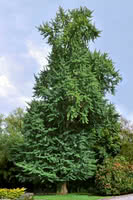
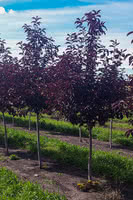
The Ginkgo Biloba is regarded as one of the most distinctive and beautiful of all the deciduous trees, and has remained genetically unchanged for millions of years. Its beautifully fan-shaped leaves develop a clear yellow colour in fall. Graceful and attractive year-round, Ginkgo is the perfect conversation starter in your yard.
Developed in Barrhead, Alberta, the Robert Chokecherry produces very large berries (comparable to the size of grapes) with good yield.
The berries can be used for wine, jams, jellies and fresh picking, making it one of the sweeter chokecherries. Rich, red foliage make it a striking landscape addition.
Ginkgo Biloba Quick Facts
Robert Chokecherry Quick Facts
Toxicity: Uncooked nuts in large quantities
Toxicity: Toxic to animals with segmented stomachs (horses, cattle, deer moose, etc.)