 Owned
Owned

Mon-Fri 9am - 5pm Mountain time
Cart reopens in October
Subscribe to our email list
to stay updated
White Oak vs European Hazelnut
Quercus alba
Corylus avellana
COMING SOON
(new stock expected: fall of 2026)
NOT AVAILABLE THIS SEASON - MIGHT RETURN
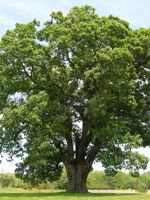
White Oak is large, long-lived tree with an irregular trunk divided into spreading, often horizontal, stout branches. A highly adaptable tree, White Oak features green acorns and beautiful green leaves that turn red-purple in the fall.
With a huge growth in bourbon and scotch over the past few decades there is an emerging shortage of white oak that is the primary tree used for cask barrels and aging.
Note: Most Oak species can be considered toxic for many animals.
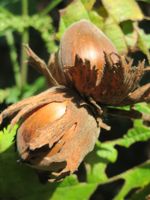
European Hazelnut is a large shrub that is native to Europe. It is known for its edible nuts that ripen in late summer to early fall. The nuts can be eaten raw or roasted and have a sweet, earthy flavour. Nut production can start as early as 2-3 years but typically takes until at least 4 years for significant yields.
Catkins appear in late winter to early spring and as they release pollen it attracts bees and other pollinators. Since male and female flowers bloom at different times, multiple shrubs will have to be planted for cross pollination. It is recommended to plant European Hazelnut with other hazelnut varieties such as Beaked Hazelnut, Frank, Yamhill, and York. Planting with other varieties will increase nut production.