 Owned
Owned

Beaked Hazelnut vs Virginia Creeper
Corylus cornuta
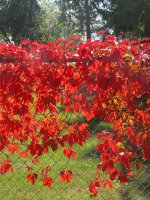
Parthenocissus quinquefolia
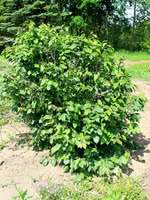
Beaked Hazelnut is a multi-stemmed, deciduous shrub native to North America.
It features smooth, grey bark and edible nuts. Beaked Hazelnut prefers a rich sandy-clay loam but will grow on poorer sites, and can be used as an understory shrub.
Note: You want more than one hazelnut to improve yields.
Virginia Creeper is a fast-growing, climbing vine. Its root-like tendrils attach themselves to any non-smooth surface, even brick, but will also grow as a ground cover.
Virginia Creeper makes a beautiful ornamental plant for your garden; its attractive foliage turns from green to deep red in the fall. Birds will love its red berries.
Please note: All parts of this plant are considered poisonous.
Beaked Hazelnut Quick Facts
Virginia Creeper Quick Facts
Toxicity: berries are toxic