 Owned
Owned

Mon-Fri 9am - 5pm Mountain time
Cart reopens in October
Subscribe to our email list
to stay updated
Common Caragana vs Blue Crop Blueberry
Caragana arborescens
Vaccinium corymbosum Blue Crop
COMING SOON
(new stock expected: fall of 2026)
COMING SOON
(new stock expected: fall of 2026)
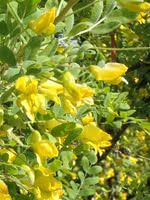
Common Caragana is a fast growing shrub that's known for its exceptional hardiness and drought tolerance. Although it's most commonly planted in shelterbelts, Common Caragana is also an excellent hedge or feature shrub.
Note: in warmer areas, this species can be difficult to contain once planted. Use the right plant in the right place.
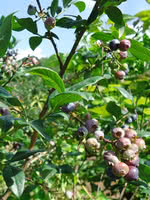
Blue Crop Blueberry is a high yielding, commercial highbush blueberry variety that is widely planted. If you're lucky enough to live in a suitable climate zone, Blue Crop Blueberry is a great choice. Its very large berries taste amazing. They are very firm and store well.
While this variety is self-pollinating, we recommend pairing Blue Crop Blueberry with another Blueberry to increase the berry production of both varieties.
You must prune Blue Crop Blueberry to maintain its health and productivity.
Note: Blueberries require very specific soil conditions. They need well-drained soil with a pH between 4.5 and 5.0.
Common Caragana Quick Facts
Blue Crop Blueberry Quick Facts
In row spacing: 0.3 m (1.0 ft)