 Owned
Owned

White Fringe Tree vs Capilano Apricot
Chionanthus virginicus
Prunus Capilano
NOT AVAILABLE THIS SEASON - MIGHT RETURN
NOT AVAILABLE THIS SEASON - MIGHT RETURN
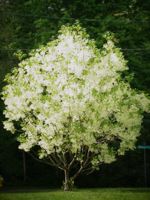
White Fringe Tree is known for its fringe-like white flowers. It can either grow as a small tree or a large multistemmed shrub. The White Fringe Tree has separate male and female plants. Both male and female flowers have white fringe-like petals, but the male flowers are longer and showier. The female flowers give way to clusters of dark blue to black berries. These berries are not edible for humans but attract birds and other wildlife.
The White Fringe Tree is tolerant of clay soils, saline soils, and air pollution but does not do well in prolonged dry conditions.
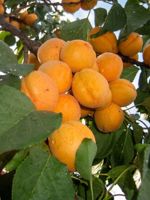
Capilano Apricot is a cold-hardy variety known for its sweet, juicy, full-flavored fruit. It produces white to pink blooms in early spring, before the leaves emerge, followed by golden-yellow, freestone apricots. They ripen from mid-July to early August and are well-suited for fresh eating, baking, wine, canning, and preserves.
The Capilano Apricot originated from three trees planted in Edmonton’s Capilano neighbourhood during the 1960s. As they began producing fruit, local fruit enthusiasts took notice and propagated the trees, with the southernmost becoming particularly popular. Though the original trees no longer exist, the Capilano Apricot remains a widely sought-after cold-hardy variety.
Capilano Apricot is generally considered self-pollinating, but planting with another variety for cross-pollination can increase yields.
Note: The early bloom time makes the flowers vulnerable to spring frosts, which can reduce or eliminate the fruit crop