 Owned

European Hazelnut vs Sessile Oak
Quercus petraea
Corylus avellana
NOT AVAILABLE THIS SEASON - MIGHT RETURN
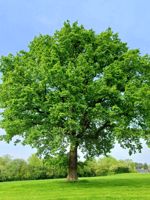
Sessile Oak is a large, long-lived deciduous tree with a wide, rounded crown. It is an important host plant for many pollinators, especially in its native range. Its acorns serve as a valuable food source for birds and small mammals, providing strong ecological value. It differs from many oaks as the leaves grow on longer stalks, whereas the acorns are stalkless. It can live for hundreds of years, with some surviving over 1,000 years in ideal conditions. As it matures, the tree develops a rugged, gnarled structure that provides heavy shade and a distinctive appearance.
More drought-tolerant than other oaks and does not do well in waterlogged or compacted soils.
Native to Europe and is the national tree of Ireland.
Note: Most Oak species can be considered toxic for many animals.
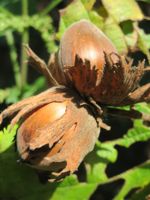
European Hazelnut is a large shrub that is native to Europe. It is known for its edible nuts that ripen in late summer to early fall. The nuts can be eaten raw or roasted and have a sweet, earthy flavour. Nut production can start as early as 2-3 years but typically takes until at least 4 years for significant yields.
Catkins appear in late winter to early spring and as they release pollen it attracts bees and other pollinators. Since male and female flowers bloom at different times, multiple shrubs will have to be planted for cross pollination. It is recommended to plant European Hazelnut with other hazelnut varieties such as Beaked Hazelnut, Frank, Yamhill, and York. Planting with other varieties will increase nut production.
Sessile Oak Quick Facts
European Hazelnut Quick Facts
Toxicity: young leaves and acorns toxic to humans and animals when injested