 Owned
Owned

European Hazelnut vs Swamp White Oak
Corylus avellana
Quercus bicolor
NOT AVAILABLE THIS SEASON - MIGHT RETURN
NOT AVAILABLE THIS SEASON - MIGHT RETURN

European Hazelnut is a large shrub that is native to Europe. It is known for its edible nuts that ripen in late summer to early fall. The nuts can be eaten raw or roasted and have a sweet, earthy flavour. Nut production can start as early as 2-3 years but typically takes until at least 4 years for significant yields.
Catkins appear in late winter to early spring and as they release pollen it attracts bees and other pollinators. Since male and female flowers bloom at different times, multiple shrubs will have to be planted for cross pollination. It is recommended to plant European Hazelnut with other hazelnut varieties such as Beaked Hazelnut, Frank, Yamhill, and York. Planting with other varieties will increase nut production.
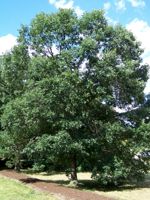
The Swamp White Oak is a medium-sized deciduous tree native to North America. It is commonly found in swamps, lowlands, floodplains, and near streams and lakes. The leaves are two-toned, green on top and silvery-white on the undersides, adding to the visual appeal of this popular shade tree.
In the fall, the Swamp White Oak produces acorns which are an important food source for wildlife. It also provides a habitat for the larvae of many butterfly and moth species, playing an important ecological role. Although its growth is slow in the first few years, once the roots are established, it can achieve faster annual growth.
European Hazelnut Quick Facts
Swamp White Oak Quick Facts
Toxicity: mildly toxic to humans, cats, and dogs