 Owned

Burton Hican vs Sessile Oak
Quercus petraea
Carya ovata x illinoinensis Burton
NOT AVAILABLE THIS SEASON - MIGHT RETURN
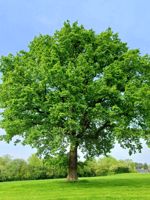
Sessile Oak is a large, long-lived deciduous tree with a wide, rounded crown. It is an important host plant for many pollinators, especially in its native range. Its acorns serve as a valuable food source for birds and small mammals, providing strong ecological value. It differs from many oaks as the leaves grow on longer stalks, whereas the acorns are stalkless. It can live for hundreds of years, with some surviving over 1,000 years in ideal conditions. As it matures, the tree develops a rugged, gnarled structure that provides heavy shade and a distinctive appearance.
More drought-tolerant than other oaks and does not do well in waterlogged or compacted soils.
Native to Europe and is the national tree of Ireland.
Note: Most Oak species can be considered toxic for many animals.
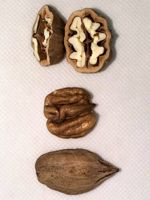
Burton Hican is a rare cross between Shagbark Hickory and Pecan. Most Hickory x Pecan hybrids are not reliable producers but the Burton Hican produces large crops annually (in warmer climates). The medium sized nuts fall in between the Pecan and Hickory and are known for having a great flavor. They are well suited to fresh eating, cooking, and baking with a good storage life.
Hicans will carry features from both species. The Hickory influence causes earlier ripening times while the taste and productivity come from the Pecan. The Pecan genetics also cause the nuts to have a thinner shell that is easier to crack and the pecan-like shape makes kernel removal easier.
The Burton Hican is generally considered self pollinating but having a second variety for cross pollination will increase nut production. They have been known to cross pollinate with other Hicans, Shagbark Hickory, and some Pecans. Nut production is expected after 7-10 years.
Note: Plant this tree once. Due to its large tap root transplanting is not recommended.
Sessile Oak Quick Facts
Burton Hican Quick Facts
Toxicity: young leaves and acorns toxic to humans and animals when injested