 Owned
Owned

Mon-Fri 9am - 5pm Mountain time
Cart reopens in October
Subscribe to our email list
to stay updated
Dragon Spruce vs Wild Privet
Picea asperata
Ligustrum vulgare
COMING SOON
(new stock expected: fall of 2026)
NOT AVAILABLE THIS SEASON - MIGHT RETURN
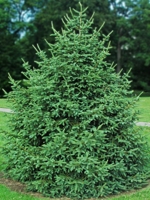
Dragon spruce is a unique looking spruce, as it is more shaggy and irregular than most spruces. They have sharp, stiff needles that are directed forward on the branch and their colour ranges from grey/green to blue/green.
They will grow in nutrient poor soils and can tolerate stronger winds, making them a good choice for providing shelter.
This species has been declining due to deforestation and related human activity in western China, its native range. It has notable genetic diversity for a spruce with a number of unusual growth habit variants. Given the cultural significance of the dragon, this tree should not be underestimated for its beauty or usefulness.
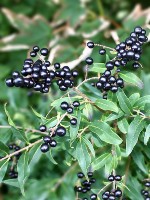
Wild Privet is a fast growing ornamental shrub that is well suited for forming hedges and privacy screens. It will retain its leaves in warmer climates but drops them in colder areas. They have small white flowers, though the smell is often considered unpleasant. While the berries are inedible, they are a good food source for many bird species.
It is recommended to prune Wild Privet immediately after flowering, as it can readily self seed. It is deer and rabbit tolerant. It can grow in dry areas, on slopes, and withstand the wind making it well suited for many growing conditions.
Dragon Spruce Quick Facts
Wild Privet Quick Facts
Toxicity: If ingested, all parts of this plant will cause severe discomfort. Toxic to dogs, cats, and horses