 Owned
Owned

Shiny Cotoneaster (Hedge Cotoneaster) vs Lewis Mock Orange
Cotoneaster lucidus
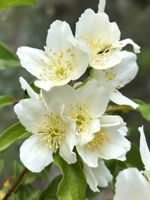
Philadelphus lewisii
COMING SOON
(new stock expected: fall of 2026)
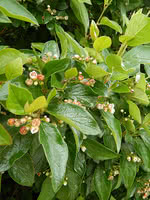
The Shiny Cotoneaster (Hedge Cotoneaster) is a dense, deciduous shrub that gets its name from the glossy dark green leaves that turn an eye-catching mix of red and purple in the fall.
It produces small, pink flowers in spring and by late summer they are followed by red berries that ripen to black. This plant is great for attracting wildlife as it is loved by both birds and butterflies.
While the Shiny Cotoneaster does produce berries, they are inedible to humans. This plant takes pruning and shearing well, making it easy to shape to your liking and is a great choice for a hedge or privacy screen in your yard.
Lewis Mock Orange is a flowering ornamental shrub that produces an abundance of white, fragrant blooms. The flowers have a sweet scent similar to orange blossoms, with a hint of pineapple. They bloom for several weeks from late spring to early summer, attracting pollinators and other beneficial insects.
Native to North America, Lewis Mock Orange is found from the southernmost portions of Alberta and British Columbia, and south into the northwestern United States. It makes an attractive shrub and can be used in hedgerows, pollinator gardens, and naturalization projects. Blooms occur on the previous year’s wood, so it is recommended to prune after it has finished flowering.
Shiny Cotoneaster (Hedge Cotoneaster) Quick Facts
Lewis Mock Orange Quick Facts
Toxicity: may cause stomach upset