 Owned
Owned

Purpurea Plena Elegans Clematis vs Showy Milkweed
Clematis Purpurea Plena Elegans
Asclepias speciosa
NOT AVAILABLE THIS SEASON - MIGHT RETURN
NOT AVAILABLE THIS SEASON - MIGHT RETURN
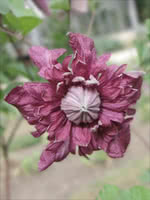
Purpurea Plena Elegans Clematis (P.P.E) is a stunning climbing vine. The flowers are double flowers, meaning they have an inner pompom surrounded by outer petals. They are distinct dusty rose colour with a long bloom time from mid-summer to early fall. They can remain on the vine for up to three weeks. It is durable and easy to maintain and train.
One of the oldest clematis cultivars, Purpurea Plena Elegans Clematis (P.P.E) is a winner of the Royal Horticultural Society's Award of Garden Merit.
The Purpurea Plena Elegans Clematis will attract pollinators to your yard or garden attracting butterflies and hummingbirds. Because it is a climbing species, support from a trellis or fence is recommended. New vines emerge from the ground, so pruning should be done in early spring.
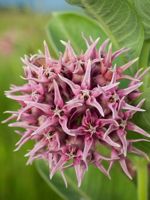
Showy Milkweed is a native perennial wildflower known for its fragrant clusters of pink to purple, star-shaped flowers. It is an essential plant for Monarch butterflies, acting as a critical host plant for caterpillars and a nectar source for adults. Blooming from early to mid-summer, these flowers also supply nectar to many other pollinators, including bees, butterflies, moths, and hummingbirds.
Ideal for butterfly conservation, pollinator gardens, and naturalization projects, Showy Milkweed thrives in a wide range of soils, including dry and rocky ground. While it spreads via underground rhizomes to form colonies, it is much less aggressive than Common Milkweed (Asclepias syriaca).
Note: All parts of the plant contain toxic cardiac glycosides, especially the milky sap. Do not ingest any part of the plant and prevent sap from contacting skin or eyes. Toxic to humans, pets, and livestock.
Purpurea Plena Elegans Clematis Quick Facts
Showy Milkweed Quick Facts
Toxicity: toxic to pets, livestock, and humans if ingested, can cause skin and eye irritation.