 Owned
Owned

Bitternut Hickory vs Frank Hazelnut
Carya cordiformis
Corylus avellana Frank
NOT AVAILABLE THIS SEASON - MIGHT RETURN
NOT AVAILABLE THIS SEASON - MIGHT RETURN
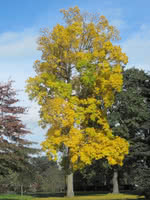

Bitternut Hickory is a large deciduous tree that makes a great shade tree for yards and parks. This tree is native to Eastern North America. Although it produces nuts, they are bitter and inedible. Some consider this wood to be the best flavour for smoking meats.
Plant Bitternut Hickory in it’s forever home. It is difficult to transplant due to its long taproot, and may not survive.
The wood is strong and has historically been used for wheels, ladders, and furniture.
The Frank Hazelnut produces nuts that are medium size and ripen mid August. This is one of the best eating hazelnuts for cold climates. It is a medium size deciduous tree from Saskatchewan, Canada. It is a productive tree that has been tested as both a pollinizer and a main crop cultivar for colder climates. The Frank Hazelnut is one of the cold hardiest hazelnut trees on the market and known to be resistant to eastern filbert blight.
Not all hazelnuts pollinate with each other so it is important to pick the correct pollination pairs. Two compatible varieties of hazelnut are required to produce nuts. Nuts will only be produced once maturity is reached, around 2-3 years.