 Owned
Owned

Trader Mulberry vs Capilano Apricot
Prunus Capilano
Morus x Trader
NOT AVAILABLE THIS SEASON - MIGHT RETURN
NOT AVAILABLE THIS SEASON - MIGHT RETURN
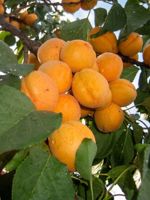

Capilano Apricot is a cold-hardy variety known for its sweet, juicy, full-flavored fruit. It produces white to pink blooms in early spring, before the leaves emerge, followed by golden-yellow, freestone apricots. They ripen from mid-July to early August and are well-suited for fresh eating, baking, wine, canning, and preserves.
The Capilano Apricot originated from three trees planted in Edmonton’s Capilano neighbourhood during the 1960s. As they began producing fruit, local fruit enthusiasts took notice and propagated the trees, with the southernmost becoming particularly popular. Though the original trees no longer exist, the Capilano Apricot remains a widely sought-after cold-hardy variety.
Capilano Apricot is generally considered self-pollinating, but planting with another variety for cross-pollination can increase yields.
Note: The early bloom time makes the flowers vulnerable to spring frosts, which can reduce or eliminate the fruit crop
The Trader Mulberry is a rare find. Named for the Trader family who brought the mulberry from Germany when they immigrated to the U.S. in 1982 and planted the original tree at their new homestead in North Dakota. This tree still bears fruit today! Similar to the Illinois Everbearing, but more winter hardy, this mulberry is a cross between white and red mulberry trees. This vigourous tree will produce large, sweet-tasting, virtually-seedless, black fruit throughout the entire summer and is great for fresh eating, jams, and wine. Do not plant near walkways or driveways as the berries can stain.