 Owned
Owned

Phantom Hydrangea vs Debbies Gold Apricot
Hydrangea paniculata Phantom
Prunus × Debbies Gold
CUSTOM GROW
COMING SOON
(new stock expected: later this season)
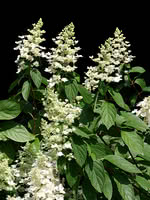
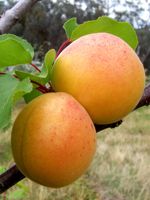
Phantom Hydrangea is a striking deciduous shrub with impressive blooms. It is multi-stemmed and produces pale green flowers that fade to white and soft pink as they mature. These flower clusters can reach up to 15” (40cm) long and while other shrubs will droop from the flowers' weight, Phantom Hydrangea has sturdy stems that support them.
This adaptable shrub will make a beautiful addition to your yard as a flowering hedge or as an ornamental plant on its own. Try pruning the flowers after they are spent to get even larger flower heads.
Debbie’s Gold Apricot is a cold-hardy variety known for its firm, sweet, and aromatic fruit. The white to pink flowers bloom several days later than other varieties, making them less susceptible to spring frosts. Their orange-yellow, freestone apricots ripen from late July to mid August and are well-suited for fresh eating, baking, canning, and preserves.
Debbie’s Gold Apricot is generally considered to be partially self-pollinating, but planting with another variety for cross-pollination can increase yields.
Note: While the bloom time is later than other varieties, the flowers are still vulnerable to spring frosts, which can reduce or eliminate the fruit crop.