 Owned
Owned

Tulip Tree vs Oriental Spruce
Picea orientalis
Liriodendron tulipifera
NOT AVAILABLE THIS SEASON - MIGHT RETURN
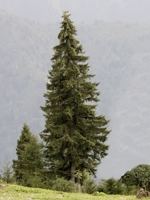
Oriental Spruce is a dense, narrow, pyramidal evergreen making it well suited as a landscape tree. Their needles are smaller than other spruce varieties, giving it a distinct appearance. Cones start out purple and then mature into a coppery brown colour. When mature, the branches tend to curve upward, giving it an elegant appearance. Because of its general shape and colour it makes a unique choice for a Christmas tree.
Oriental Spruce does not do well in windy conditions, especially cold, harsh winter winds. For best results, plant in a protected area.
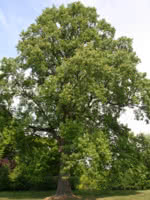
Tulip Tree is the perfect shade tree for wide open spaces. It has a shallow and extensive root system, so ensure you give it space to grow. The attractive and showy, yellow-orange, tulip shaped flowers are where this tree gets its name.
Tulip Tree is somewhat rare in Canada but highly sought after as it is difficult to grow. Does best in a moist, well-drained soil.