 Owned
Owned

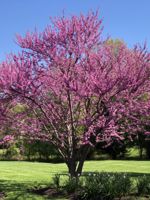
Tulip Tree vs Eastern Redbud
Liriodendron tulipifera
Cercis canadensis
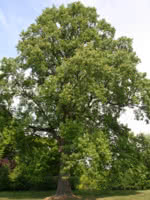
Tulip Tree is the perfect shade tree for wide open spaces. It has a shallow and extensive root system, so ensure you give it space to grow. The attractive and showy, yellow-orange, tulip shaped flowers are where this tree gets its name.
Tulip Tree is somewhat rare in Canada but highly sought after as it is difficult to grow. Does best in a moist, well-drained soil.
The Eastern Redbud is known for the pea-like pink buds that emerge in clusters on the bark, embellishing the tree in stunning flowers. They have a longer bloom time, sometimes for two to three weeks before the heart-shaped leaves emerge for the summer. Inedible pods emerge that turn brown in the summer, this tree is a part of the bean family.
Native to the Eastern North America. The Eastern Redbud can tolerate acidic and alkaline soil. Plant this as a beautiful understory species or shaded residential yard or garden. The bright pop of color will make an attractive ornamental tree.