 Owned
Owned

Tulip Tree vs Armstrong Maple
Liriodendron tulipifera
Acer x freemanii Armstrong
NOT AVAILABLE THIS SEASON - MIGHT RETURN
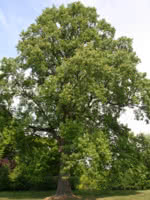
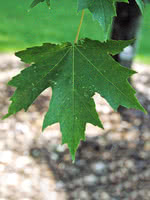
Tulip Tree is the perfect shade tree for wide open spaces. It has a shallow and extensive root system, so ensure you give it space to grow. The attractive and showy, yellow-orange, tulip shaped flowers are where this tree gets its name.
Tulip Tree is somewhat rare in Canada but highly sought after as it is difficult to grow. Does best in a moist, well-drained soil.
The Armstrong Maple has a narrow, upright columnar growth habit. This stunning tree has showy leaves that range from yellow, orange to red in the fall. It is an attractive hybrid of the Red Maple and Silver Maple. It prefers acidic soils and will have some tolerance for drought once mature.
Edward Murray named the Armstrong Maple in 1969 in honor of Oliver M. Freeman of the National Arboretum, who made the first controlled cross between the two species in 1933.