 Owned
Owned

Mon-Fri 9am - 5pm Mountain time
Cart reopens in October
Subscribe to our email list
to stay updated
Royal Purple Smokebush vs Bilberry
Cotinus coggygria Royal Purple
Vaccinium myrtillus
NOT AVAILABLE THIS SEASON - MIGHT RETURN
CUSTOM GROW
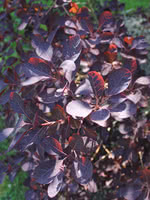
Royal Purple Smokebush is an attractive and dramatic shrub. Mid-summer you'll notice feathery, purple-pink puffs of airy seed clusters that give the illusion of smoke. The contrast of these seed clusters against deep purple-red foliage will make Royal Purple Smokebush your new favorite shrub.
It is tolerant of clay soil, drought, and deer, making Royal Purple Smokebush a hardy addition to any yard. Try it in a hedge, shrub border, or as an accent shrub; regardless of how you use it, this shrub will be a head turner.
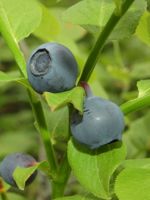
Bilberry is a native perennial shrub valued for its small, blue-black berries that ripen in mid to late summer. The berries resemble blueberries but have a richer, more tart, and intense flavor. They have long been used for fresh eating, baking, and preserves, while also providing food for birds and mammals. In spring, its delicate pinkish flowers attract bees and other pollinators.
Growing low to the ground, Bilberry forms spreading colonies that create dense understory cover. This growth habit provides food and shelter for wildlife, and its foliage adds seasonal interest by turning red to purple in autumn. With its adaptability and ecological benefits, Bilberry is well-suited for naturalization, ecological restoration, and pollinator gardens.
Royal Purple Smokebush Quick Facts
Bilberry Quick Facts
Toxicity: leaves may be unsafe in high doses