 Owned
Owned

Mon-Fri 9am - 5pm Mountain time
Cart reopens in October
Subscribe to our email list
to stay updated
Creeping Oregon Grape vs Chippewa Blueberry
Mahonia repens
Vaccinium x Chippewa
CUSTOM GROW
COMING SOON
(new stock expected: fall of 2026)
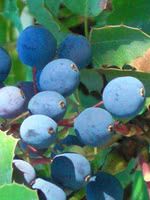
Creeping Oregon Grape is an excellent ground cover plant with attractive, dark green, holly-like leaves. It maintains its leaves throughout winter, which turn mauve, rose, and rust-colored. Clusters of bright, yellow flowers develop into dark, blue-purple edible berries ideal for juice or wine.
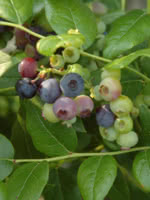
Chippewa Blueberry is the perfect shrub for attracting birds and butterflies. Incredibly cold-hardy, the Chippewa Blueberry is an upright shrub making it easy for harvesting. Known for producing high yields of large blue-colored berries, this blueberry is a favourite for fresh eating, baking, and preserves. As with all blueberries, the Chippewa needs soil with a low pH and high acidity.