 Owned
Owned

Mon-Fri 9am - 5pm Mountain time
Cart reopens in October
Subscribe to our email list
to stay updated
Eastern Cottonwood vs Tulip Tree
Populus deltoides
Liriodendron tulipifera
NOT AVAILABLE THIS SEASON - MIGHT RETURN
COMING SOON
(new stock expected: fall of 2026)
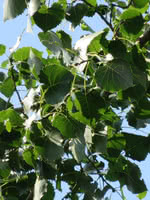
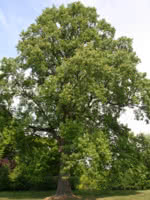
This fast and tall growing tree has an open, spreading crown and is more suited to waterside planting than other aspens and poplars.
Commonly found in floodplains, stream valleys and lake shores, this tree quickly fills in reclamation areas.
In order to reproduce and grow effectively, Eastern Cottonwood relies on the natural flooding cycle to ensure they are not out-competed by weeds and other plants.
Tulip Tree is the perfect shade tree for wide open spaces. It has a shallow and extensive root system, so ensure you give it space to grow. The attractive and showy, yellow-orange, tulip shaped flowers are where this tree gets its name.
Tulip Tree is somewhat rare in Canada but highly sought after as it is difficult to grow. Does best in a moist, well-drained soil.