 Owned
Owned

Mon-Fri 9am - 5pm Mountain time
Cart reopens in October
Subscribe to our email list
to stay updated
Manchurian Apricot vs Blue Boy Clematis
Prunus armeniaca var. mandshurica
Clematis integrifolia Blue Boy
NOT AVAILABLE THIS SEASON - MIGHT RETURN
NOT AVAILABLE THIS SEASON - MIGHT RETURN
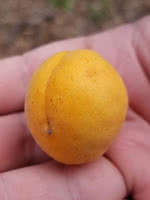
Manchurian Apricot is a winter-hardy relative of the native plum. This tree can stand some drought, but will not handle standing water or saturated moist soils. It can be used in shelterbelts, hedges, or as an ornamental. Manchurian Apricot will also attract songbirds, rabbits, and other rodents if left uncontrolled.
This tree will produce fruit once it reaches maturity at between two and five years old. Other famous cultivars of Manchurian Apricot include Scout Apricot, Moongold, and many more.
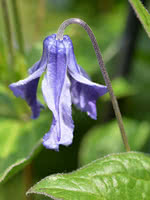
Blue Boy Clematis is a cold-hardy, fast growing, woody climbing vine. Hundreds of stunning steel-blue bell shaped flowers adorn the vine throughout the summer that droop and appear to hang in the air. The fibrous stems spread and create a fan-like symmetry shape.
This species will do best with support from a trellis, fence, or even other shrubs or tree stumps.
The Blue Boy Clematis was developed in Manitoba, Canada in 1947 by famous breeder Frank L. Skinner by crossing C. integrifolia x C. viticella, but it didn’t gain popularity until the 1990’s.