 Owned
Owned

Mon-Fri 9am - 5pm Mountain time
Cart reopens in October
Subscribe to our email list
to stay updated
Manchurian Apricot vs Purpurea Plena Elegans Clematis
Prunus armeniaca var. mandshurica
Clematis Purpurea Plena Elegans
NOT AVAILABLE THIS SEASON - MIGHT RETURN
NOT AVAILABLE THIS SEASON - MIGHT RETURN
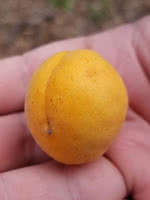
Manchurian Apricot is a winter-hardy relative of the native plum. This tree can stand some drought, but will not handle standing water or saturated moist soils. It can be used in shelterbelts, hedges, or as an ornamental. Manchurian Apricot will also attract songbirds, rabbits, and other rodents if left uncontrolled.
This tree will produce fruit once it reaches maturity at between two and five years old. Other famous cultivars of Manchurian Apricot include Scout Apricot, Moongold, and many more.
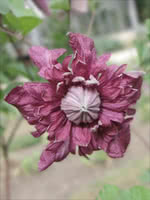
Purpurea Plena Elegans Clematis (P.P.E) is a stunning climbing vine. The flowers are double flowers, meaning they have an inner pompom surrounded by outer petals. They are distinct dusty rose colour with a long bloom time from mid-summer to early fall. They can remain on the vine for up to three weeks. It is durable and easy to maintain and train.
One of the oldest clematis cultivars, Purpurea Plena Elegans Clematis (P.P.E) is a winner of the Royal Horticultural Society's Award of Garden Merit.
The Purpurea Plena Elegans Clematis will attract pollinators to your yard or garden attracting butterflies and hummingbirds. Because it is a climbing species, support from a trellis or fence is recommended. New vines emerge from the ground, so pruning should be done in early spring.