 Owned
Owned

Mon-Fri 9am - 5pm Mountain time
Cart reopens in October
Subscribe to our email list
to stay updated
Manchurian Apricot vs Golden Lights Rhododendron (Azalea)
Prunus armeniaca var. mandshurica
Rhododendron x Golden Lights
NOT AVAILABLE THIS SEASON - MIGHT RETURN
NOT AVAILABLE THIS SEASON - MIGHT RETURN
(we don't know if or when this product will be restocked)
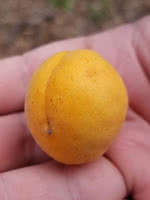
Manchurian Apricot is a winter-hardy relative of the native plum. This tree can stand some drought, but will not handle standing water or saturated moist soils. It can be used in shelterbelts, hedges, or as an ornamental. Manchurian Apricot will also attract songbirds, rabbits, and other rodents if left uncontrolled.
This tree will produce fruit once it reaches maturity at between two and five years old. Other famous cultivars of Manchurian Apricot include Scout Apricot, Moongold, and many more.
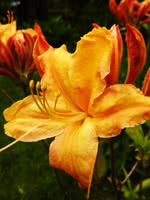
Golden Lights Rhododendron is an exceptionally cold hardy, deciduous azalea. Part of the Northern Lights Series, this shrub was cultivated specifically to withstand harsh winters, making it ideal for our prairie climate.
In late spring you'll be drawn to its beautiful, golden, sweetly fragrant flowers. Pruning is recommended after the flowers are spent to control the size and shape of this shrub.
Consider Golden Lights Rhododendron when planning your next hedge, or plant it on its own as a striking specimen plant.
Manchurian Apricot Quick Facts
Golden Lights Rhododendron (Azalea) Quick Facts
Toxicity: All parts of a rhododendron bush, including the leaves, stems and blooms, are toxic to cats, dogs, and horses.