 Owned
Owned

Mon-Fri 9am - 5pm Mountain time
Cart reopens in October
Subscribe to our email list
to stay updated
Korean Pine vs Manchurian Walnut
Pinus koraiensis
Juglans mandshurica
NOT AVAILABLE THIS SEASON - MIGHT RETURN
(new stock expected: fall of 2027)
NOT AVAILABLE THIS SEASON - MIGHT RETURN
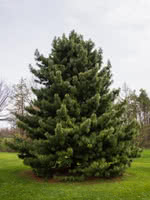
Korean Pine is an attractive conifer suitable for shelterbelts, privacy screens, and ornamental planting. This tree is especially prized for its pine nuts. Korean Pine nuts are larger than most other species. They can be used in salads, pesto sauce, and other foods.
This conifer is generally tolerant of urban conditions but much prefers cool summer climates.
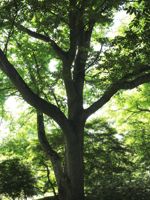
Manchurian Walnut is a large, broad and often multi-stemmed tree with ornamental qualities. This tree produces large, thick-shelled nuts that ripen in the fall. These edible walnuts are reportedly difficult to crack open. They are useful for attracting wildlife, especially squirrels.
The Manchurian Walnut contains and exudes much lesser quantities of allelopathic compounds, such as juglone (common to walnuts), that may prevent or impair growth of nearby plants. Therefore, it is commonly embraced as a safe walnut to plant.
There are reports of rare this species surviving winters to -45C with specimens growing and thriving in Alaska and Edmonton.
There is no regular supply of this species. It is rare and not produced each year.