 Owned
Owned

Mon-Fri 9am - 5pm Mountain time
Cart reopens in October
Subscribe to our email list
to stay updated
Northern Pin Oak vs Shagbark Hickory
Quercus ellipsoidalis
Carya ovata
NOT AVAILABLE THIS SEASON - MIGHT RETURN
COMING SOON
(new stock expected: fall of 2026)
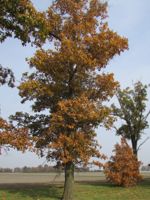
Northern Pin oak has an attractive but irregular rounded crown with lower hanging branches. This species is one of the few oak species recommended for the prairies and colder areas. Northern Pin Oak prefers drier habitats.
The spectacular fall leaf color of this tree is the primary reason for its popularity. Fall leaves turn orange and red to reddish brown.
Squirrels, jays, deer, and similar animals love its acorns.
Note: Most Oak species can be considered toxic for many animals.
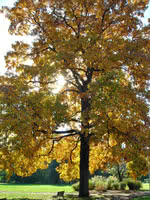
Shagbark Hickory is a unique tree both for its looks and uses. Its bark peels into long thin vertical strips giving it a shaggy appearance. This and its golden fall leaves make it a gorgeous looking tree. This species produces tasty hickory nuts once mature. Hickory smoke is also treasured for curing meats and its generally fantastic smell.
This tree is best planted away from any buildings due to a deep taproot and large size. Many people remark on the unusual taproot for this tree that can be over 6 feet deep while the plant only has 2 feet of top growth.