 Owned
Owned

Mon-Fri 9am - 5pm Mountain time
Cart reopens in October
Subscribe to our email list
to stay updated
Black Walnut vs Harcourt Apple
Malus Harcourt
Juglans nigra
SOLD OUT
NOT AVAILABLE THIS SEASON - MIGHT RETURN
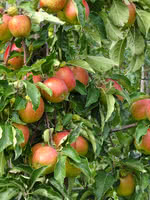
Harcourt Apple is a cold-hardy variety developed by the University of Alberta. In spring, it produces fragrant white blossoms shaded with pink. The medium-sized apples mature from late summer into fall, featuring red-striped skin with greenish-yellow highlights. The fruit is crisp and juicy, with a mild, pleasant flavour. They are well-suited for fresh eating, baking, and preserves.
For fruit production, cross-pollination is required. Apples need to be planted with another Apple or Crab Apple variety.
Note: We do not ship grafted apples to BC due to regulatory restrictions from the Canadian Food Inspection Agency.
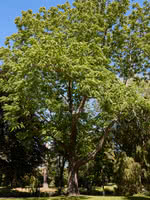
The Black Walnut is a slow growing, large, straight-stemmed tree with an open crown. It produces dense, very hard, edible nuts.
Black Walnut has a deeply-furrowed, black bark. Its leaves are about 1 foot long, composed of 15 - 23 slightly stalked leaflets on a moderately stout stock which provide good dappled shade.
Despite being highly valued for its edible nuts and its shade tree aesthetics, it is rare to see this tree on the prairies.
Note: Black Walnut's roots produce a substance named juglone that is toxic to some other plants. Consider this when choosing where you plant a black walnut, as you will not be able to grow tomato, potato, cabbage, eggplant, blueberry, azalea, rhododendron, lilac, red pine and apple in the surrounding area.
Note: Plant this tree once. It will not respond well to transplanting.
Note: Although self-pollinating, planting two trees significantly improves nut production.