 Owned
Owned

Mon-Fri 9am - 5pm Mountain time
Cart reopens in October
Subscribe to our email list
to stay updated
Black Walnut vs Tulip Tree
Juglans nigra
Liriodendron tulipifera
COMING SOON
(new stock expected: fall of 2026)
COMING SOON
(new stock expected: fall of 2026)
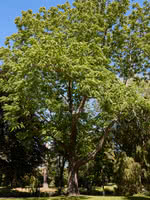
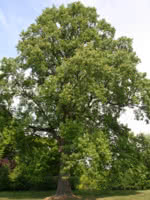
The Black Walnut is a slow growing, large, straight-stemmed tree with an open crown. It produces dense, very hard, edible nuts.
Black Walnut has a deeply-furrowed, black bark. Its leaves are about 1 foot long, composed of 15 - 23 slightly stalked leaflets on a moderately stout stock which provide good dappled shade.
Despite being highly valued for its edible nuts and its shade tree aesthetics, it is rare to see this tree on the prairies.
Note: Black Walnut's roots produce a substance named juglone that is toxic to some other plants. Consider this when choosing where you plant a black walnut, as you will not be able to grow tomato, potato, cabbage, eggplant, blueberry, azalea, rhododendron, lilac, red pine and apple in the surrounding area.
Note: Plant this tree once. It will not respond well to transplanting.
Note: Although self-pollinating, planting two trees significantly improves nut production.
Tulip Tree is the perfect shade tree for wide open spaces. It has a shallow and extensive root system, so ensure you give it space to grow. The attractive and showy, yellow-orange, tulip shaped flowers are where this tree gets its name.
Tulip Tree is somewhat rare in Canada but highly sought after as it is difficult to grow. Does best in a moist, well-drained soil.