 Owned
Owned

Mon-Fri 9am - 5pm Mountain time
Cart reopens in October
Subscribe to our email list
to stay updated
Russian Almond vs Manchurian Apricot
Prunus tenella
Prunus armeniaca var. mandshurica
NOT AVAILABLE THIS SEASON - MIGHT RETURN
NOT AVAILABLE THIS SEASON - MIGHT RETURN
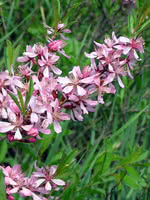
Russian Almond is a low maintenance, short, slightly suckering shrub. It is covered with attractive, bright pink flowers in early spring before its foliage emerges.
This hardy species forms dense thickets attracts wildlife. Russian Almond prefers full sun and well-drained soils, but can tolerate moist soils.
The nuts it produces are quite attractive but very small. They are bitter and possibly toxic in large quantities.
Check out our YouTube channel video of the Russian Almond here.
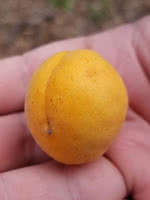
Manchurian Apricot is a winter-hardy relative of the native plum. This tree can stand some drought, but will not handle standing water or saturated moist soils. It can be used in shelterbelts, hedges, or as an ornamental. Manchurian Apricot will also attract songbirds, rabbits, and other rodents if left uncontrolled.
This tree will produce fruit once it reaches maturity at between two and five years old. Other famous cultivars of Manchurian Apricot include Scout Apricot, Moongold, and many more.