 Owned
Owned

Mon-Fri 9am - 5pm Mountain time
Cart reopens in October
Subscribe to our email list
to stay updated
Blackcurrant vs Lowbush Blueberry
Vaccinium angustifolium
Ribes nigrum
COMING SOON
(new stock expected: fall of 2026)
COMING SOON
(new stock expected: fall of 2026)
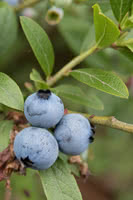
Lowbush Blueberry, commonly known as the Wild Lowbush Blueberry, is often wild-harvested and thrives in low pH acidic soil. This early low-bush blueberry produces white and pink bell-shaped flowers in the spring. Its fruit is smaller in size than high bush blueberry plants and is more flavourful with an intense blueberry taste-masking it perfect for fresh eating, baking, and preserves.
Note: Blueberries require very specific soil conditions. They need well-drained soil with a pH between 4.5 and 5.0. If the starting pH of your soil is between 5.1 and 6.2 you can lower it by adding sulfur. We recommend against planting blueberries in soil with a starting pH greater than 6.2. Please do your own research before buying any blueberry plants.
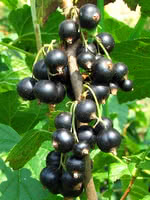
Blackcurrant is a medium-sized shrub producing delicious, deep purple to black sweet berries suitable for jams, jellies, syrups and cordial.
Our Blackcurrant is grown from seed from the "Ben" series of Blackcurrant cultivars, developed by the Mylnefield Research Station in Scotland with a focus on cold hardiness and heavy commercial fruit production. Our seedlings will be slightly different due to hereditary differences but will be very similar to this series.