 Owned
Owned

Mon-Fri 9am - 5pm Mountain time
Cart reopens in October
Subscribe to our email list
to stay updated
Peking Cotoneaster vs Russian Almond
Cotoneaster acutifolia
Prunus tenella
NOT AVAILABLE THIS SEASON - MIGHT RETURN
(new stock expected: fall of 2027)
NOT AVAILABLE THIS SEASON - MIGHT RETURN
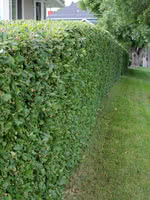
Peking Cotoneaster is a medium-sized shrub that is well adapted to colder climates. Best suited for use as a hedge, Peking Cotoneaster has dark green foliage that turns a stunning reddish orange in the fall.
Hardy fruit guru, Bernie Nikolai (DBG Fruit Growers), has started to recommend grafting hardy pear varieties to Peking Cotoneaster after his experiences were successful and produced fruit faster than other rootstocks. Remember to leave some nurse limbs if you try this.
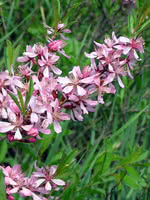
Russian Almond is a low maintenance, short, slightly suckering shrub. It is covered with attractive, bright pink flowers in early spring before its foliage emerges.
This hardy species forms dense thickets attracts wildlife. Russian Almond prefers full sun and well-drained soils, but can tolerate moist soils.
The nuts it produces are quite attractive but very small. They are bitter and possibly toxic in large quantities.
Check out our YouTube channel video of the Russian Almond here.
Peking Cotoneaster Quick Facts
Russian Almond Quick Facts
In row spacing: 0.3 m (1.0 ft)