 Owned
Owned

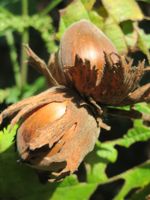
Carpathian English Walnut vs European Hazelnut
Juglans regia Carpathian
Corylus avellana
NOT AVAILABLE THIS SEASON - MIGHT RETURN
NOT AVAILABLE THIS SEASON - MIGHT RETURN
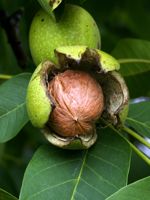
Carpathian English Walnut is a great shade tree or a fantastic addition to a food garden. The taste is described as having a full flavour with a hint of sweetness and butterscotch. They are great for fresh eating, cooking, and baking. Thin shelled nuts split right down the center, making them easy to crack. Harvest ranges from late September to early October.
It is known for being highly productive and more cold hardy than other English Walnut varieties.
Carpathian English Walnut is considered to be self pollinating but planting with a second variety will result in greater yields. It can be cross pollinated with Black Walnut and others.
European Hazelnut is a large shrub that is native to Europe. It is known for its edible nuts that ripen in late summer to early fall. The nuts can be eaten raw or roasted and have a sweet, earthy flavour. Nut production can start as early as 2-3 years but typically takes until at least 4 years for significant yields.
Catkins appear in late winter to early spring and as they release pollen it attracts bees and other pollinators. Since male and female flowers bloom at different times, multiple shrubs will have to be planted for cross pollination. It is recommended to plant European Hazelnut with other hazelnut varieties such as Beaked Hazelnut, Frank, Yamhill, and York. Planting with other varieties will increase nut production.