 Owned
Owned

Mon-Fri 9am - 5pm Mountain time
Cart reopens in October
Subscribe to our email list
to stay updated
F130 Grape vs Grouseberry
Vitis F130
Vaccinium scoparium
NOT AVAILABLE THIS SEASON - MIGHT RETURN
CUSTOM GROW
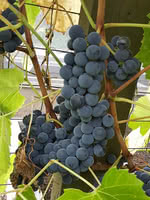
This variety is cold-hardy and will produce bluish red clusters of grapes that are great for jellies and juice. Grapes have long been used to cover arbors and trellises.
Grapes are a higher maintenance species requiring regular care and pruning. Unchecked and uncared for grapes can spread, be eaten by birds, and have lesser yields.
Applying a thick layer of mulch can help these vines overwinter better.
Note: We do not ship grape vines to BC due to regulatory restrictions from the Canadian Food Inspection Agency.
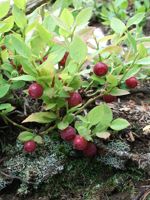
Grouseberry is a native, low-growing deciduous shrub known for its edible red berries. In early summer, it produces small, urn-shaped flowers ranging from white to pink that attract bees and other pollinators. The berries provide an important food source for many types of wildlife, including game birds such as grouse, which gives the plant its common name. People can also enjoy the berries fresh or in baked goods, though they can be difficult to harvest in large quantities.
Spreading by rhizomes, Grouseberry forms dense, broom-like mats that help stabilize soil and prevent erosion, while also providing cover for ground-nesting wildlife. It is commonly found beneath conifers in open forests, subalpine meadows, and occasionally on rocky slopes in mountainous regions. It is well-suited for naturalization, ecological restoration, and soil stabilization projects.