 Owned
Owned

Mon-Fri 9am - 5pm Mountain time
Cart reopens in October
Subscribe to our email list
to stay updated
F130 Grape vs Bilberry
Vaccinium myrtillus
Vitis F130
CUSTOM GROW
NOT AVAILABLE THIS SEASON - MIGHT RETURN
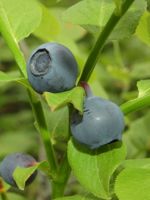
Bilberry is a native perennial shrub valued for its small, blue-black berries that ripen in mid to late summer. The berries resemble blueberries but have a richer, more tart, and intense flavor. They have long been used for fresh eating, baking, and preserves, while also providing food for birds and mammals. In spring, its delicate pinkish flowers attract bees and other pollinators.
Growing low to the ground, Bilberry forms spreading colonies that create dense understory cover. This growth habit provides food and shelter for wildlife, and its foliage adds seasonal interest by turning red to purple in autumn. With its adaptability and ecological benefits, Bilberry is well-suited for naturalization, ecological restoration, and pollinator gardens.
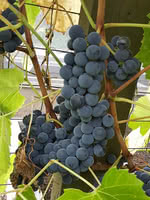
This variety is cold-hardy and will produce bluish red clusters of grapes that are great for jellies and juice. Grapes have long been used to cover arbors and trellises.
Grapes are a higher maintenance species requiring regular care and pruning. Unchecked and uncared for grapes can spread, be eaten by birds, and have lesser yields.
Applying a thick layer of mulch can help these vines overwinter better.
Note: We do not ship grape vines to BC due to regulatory restrictions from the Canadian Food Inspection Agency.
Bilberry Quick Facts
F130 Grape Quick Facts
Toxicity: leaves may be unsafe in high doses