 Owned
Owned

Golden Lights Rhododendron (Azalea) vs Wild Privet
Rhododendron x Golden Lights
Ligustrum vulgare
NOT AVAILABLE THIS SEASON - MIGHT RETURN
(we don't know if or when this product will be restocked)
NOT AVAILABLE THIS SEASON - MIGHT RETURN
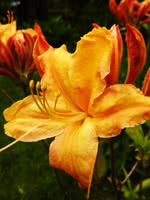
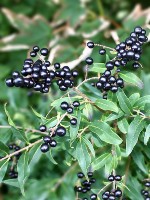
Golden Lights Rhododendron is an exceptionally cold hardy, deciduous azalea. Part of the Northern Lights Series, this shrub was cultivated specifically to withstand harsh winters, making it ideal for our prairie climate.
In late spring you'll be drawn to its beautiful, golden, sweetly fragrant flowers. Pruning is recommended after the flowers are spent to control the size and shape of this shrub.
Consider Golden Lights Rhododendron when planning your next hedge, or plant it on its own as a striking specimen plant.
Wild Privet is a fast growing ornamental shrub that is well suited for forming hedges and privacy screens. It will retain its leaves in warmer climates but drops them in colder areas. They have small white flowers, though the smell is often considered unpleasant. While the berries are inedible, they are a good food source for many bird species.
It is recommended to prune Wild Privet immediately after flowering, as it can readily self seed. It is deer and rabbit tolerant. It can grow in dry areas, on slopes, and withstand the wind making it well suited for many growing conditions.
Golden Lights Rhododendron (Azalea) Quick Facts
Wild Privet Quick Facts
Toxicity: All parts of a rhododendron bush, including the leaves, stems and blooms, are toxic to cats, dogs, and horses.
Toxicity: If ingested, all parts of this plant will cause severe discomfort. Toxic to dogs, cats, and horses