 Owned
Owned

Mon-Fri 9am - 5pm Mountain time
Cart reopens in October
Subscribe to our email list
to stay updated
Double Delight Raspberry vs Boyne Raspberry
Rubus x Double Delight
Rubus sp. Boyne
COMING SOON
(new stock expected: fall of 2026)
COMING SOON
(new stock expected: fall of 2026)
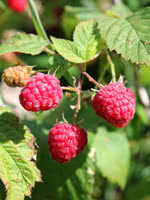
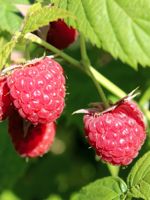
Double Delight Raspberry is known for its medium-large berries that have a sweet-tangy taste. They ripen from late summer to early fall, extending the raspberry season. Known for having larger yields, it is suitable for both home gardens and larger commercial projects. The berries are well suited to fresh eating, freezing, baking, and preserves.
Double Delight Raspberry is a primocane-fruiting variety, meaning it produces fruit on first-year canes (the current season’s growth). They are also referred to as ever-bearing or fall-bearing. Cut stalks down each winter or early spring to get higher fruit yields.
Raspberries are self-fertile, meaning they do not require cross-pollination from another variety to produce fruit
The Boyne Raspberry is a classic red raspberry, with a deep red color and juicy, sweet taste. It’s great for fresh eating, desserts and jams. It is a medium-sized shrub that produces ready to pick heart-shaped berries from early to mid summer and is high-yielding.
Boyne Raspberry is a floricane-fruiting variety, meaning it primarily produces fruit on second-year canes (previous season’s new growth). They are also referred to as summer-bearing. In late winter or early spring, cut back all spent floricanes, leaving only last season's canes.
Raspberries are self-fertile, meaning they do not require cross-pollination from another variety to produce fruit.