 Owned
Owned

Mon-Fri 9am - 5pm Mountain time
Cart reopens in October
Subscribe to our email list
to stay updated
Killarney Raspberry vs Cherry Prinsepia
Rubus x Killarney
Prinsepia sinensis
COMING SOON
(new stock expected: fall of 2026)
CUSTOM GROW
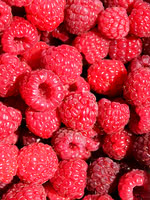
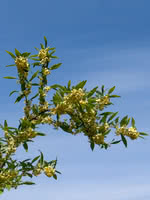
Killarney Raspberry is extremely robust, with some of the best cold and disease resistance available. This could be due, in part, to it being bred in Manitoba.
It is also known for its good flavor and for being firmer than other varieties, which lends to its use in processing like pies, jams, and jellies or for U-Picks.
Killarney Raspberry is a floricane-fruiting variety, meaning it primarily produces fruit on second-year canes (previous season’s new growth). They are also referred to as summer-bearing. In late winter or early spring, cut back all spent floricanes, leaving only last season's canes.
Raspberries are self-fertile, meaning they do not require cross-pollination from another variety to produce fruit.
Cherry Prinsepia is an attractive, cold hardy shrub with thorny stems and a rounded shape.
Primarily used for its shrub and hedge characteristics, Cherry Prinsepia is also grown for its ornamental fruit. Tart in flavor, the red berries are edible and enjoyed by birds and humans alike.
If deer are an issue on your property, try planting Cherry Prinsepia in a tight row to create a dense hedge to deter them.